
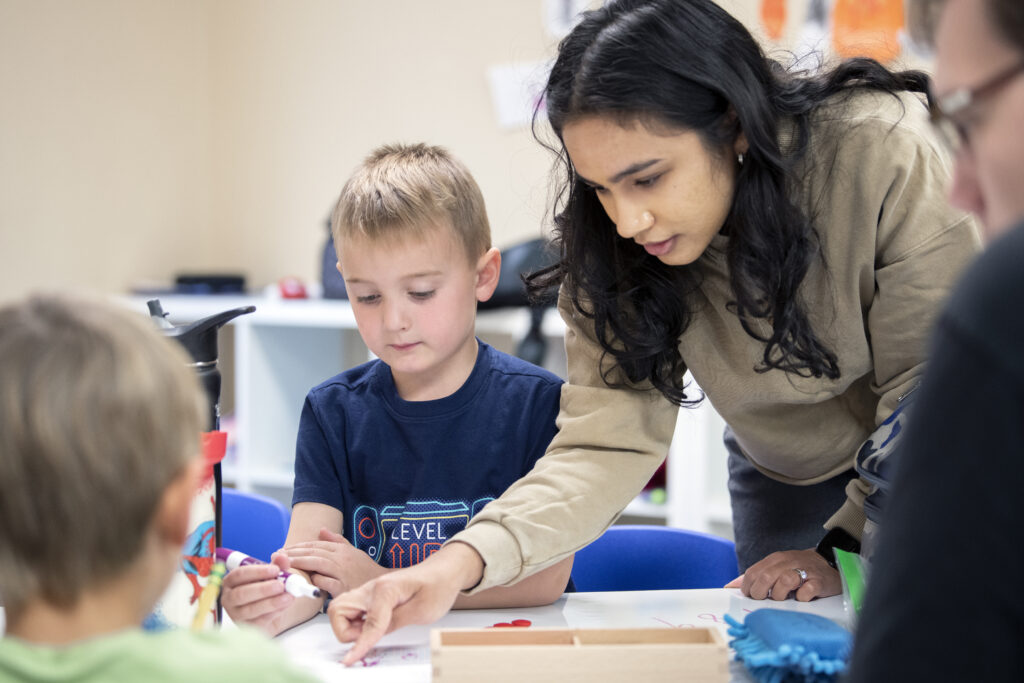
Alternative Education Methods
https://www.pankpages.com/ is a great resource to explore various Alternative Education Methods. Traditional education may not be the right fit for everyone, which is why Alternative Education Methods are gaining popularity. These methods focus on personalized learning, experiential education, and flexible curriculum structures, ensuring that students receive education in a way that best suits their needs.
Table of Contents
What Are Alternative Education Methods?
Alternative Education Methods refer to non-traditional ways of learning that move beyond the standard classroom setup. These methods include homeschooling, Montessori education, Waldorf education, online learning, and unschooling. Each of these Alternative Education Methods offers unique advantages tailored to different learning styles and preferences.
Benefits of Alternative Education Methods
The rise of Alternative Education Methods has been driven by their numerous benefits. These include:
- Personalized Learning – One of the greatest advantages of Alternative Education Methods is the ability to customize the curriculum based on a student’s individual learning pace and interests.
- Flexible Learning Environment – Unlike traditional schools, Alternative Education Methods often provide a more relaxed and engaging learning environment.
- Focus on Creativity and Critical Thinking – Many Alternative Education Methods prioritize creativity, problem-solving, and hands-on experiences rather than rote memorization.
- Stronger Student-Teacher Relationships – With smaller class sizes or one-on-one tutoring, Alternative Education Methods ensure that students receive adequate attention and support.
- Encouragement of Independent Learning – Many Alternative Education Methods emphasize self-directed learning, allowing students to take charge of their education.
Popular Alternative Education Methods
Several types of Alternative Education Methods have gained recognition worldwide. Some of the most effective ones include:
1. Homeschooling
Homeschooling is one of the most common Alternative Education Methods, where parents take responsibility for their child’s education. This method allows complete customization of the curriculum and flexibility in learning.
2. Montessori Education
Montessori education is a child-centered approach under Alternative Education Methods that encourages self-directed learning through hands-on activities. This method emphasizes independence and exploration.
3. Waldorf Education
Waldorf education is another popular option under Alternative Education Methods, focusing on imagination, creativity, and holistic learning. It integrates arts, music, and movement into the curriculum.
4. Online Learning
The digital revolution has given rise to online learning, which is one of the fastest-growing Alternative Education Methods. Students can learn from anywhere in the world, accessing courses that cater to their interests and academic goals.
5. Unschooling
Unschooling is a radical form of Alternative Education Methods where students learn through life experiences, exploration, and curiosity-driven education rather than following a set curriculum.
Are Alternative Education Methods Right for You?
Choosing Alternative Education Methods depends on the student’s needs, learning style, and personal preferences. Parents and students should evaluate different Alternative Education Methods to determine which approach aligns with their educational goals.
With the growing acceptance and success of Alternative Education Methods, more families are considering them as viable alternatives to traditional schooling. These methods empower students to take control of their learning journey, ensuring a more fulfilling and effective education experience.
Conclusion
The concept of Alternative Education Methods is transforming the education landscape. With various approaches like homeschooling, Montessori education, Waldorf education, and online learning, students now have more options than ever. By adopting Alternative Education Methods, learners can enjoy a personalized, flexible, and enriching educational experience that prepares them for a successful future.