
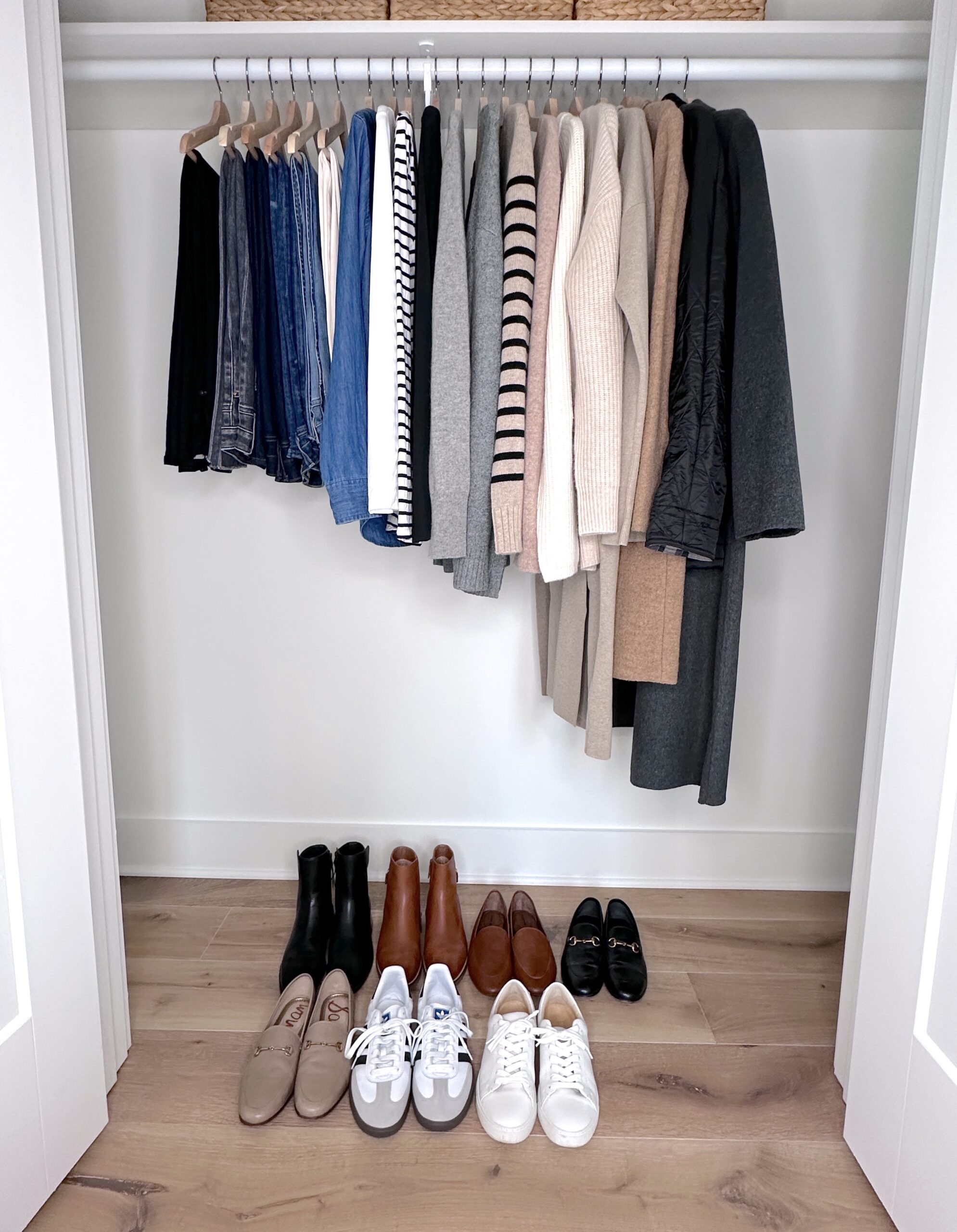
Capsule Wardrobe: The Key to Simplified, Sustainable Fashion
Table of Contents
What is a Capsule Wardrobe?
A capsule wardrobe is a minimalist approach to clothing, consisting of a limited number of essential, timeless pieces that can be mixed and matched to create a wide variety of outfits. The idea is to keep your wardrobe simple, organized, and functional by focusing on quality over quantity. The capsule wardrobe concept was first introduced in the 1970s by designer Susie Faux, but it has gained significant popularity in recent years due to the rise of minimalist and sustainable fashion trends.
The goal of a capsule wardrobe is to help you create stylish and functional outfits with fewer pieces, ensuring that everything you own is versatile, wearable, and timeless. Typically, a capsule wardrobe consists of around 30-40 items of clothing (this number can vary depending on individual preferences), including essentials such as tops, bottoms, outerwear, and shoes, while excluding seasonal items and trendy pieces.
Benefits of a Capsule Wardrobe
1. Simplicity and Organization
One of the most obvious benefits of a capsule wardrobe is the simplicity and organization it brings to your closet. By reducing the number of clothing items you own, it becomes easier to see and access everything, minimizing decision fatigue when choosing an outfit each day. A smaller, curated wardrobe also makes it easier to maintain and clean.
2. Sustainability
A capsule wardrobe is inherently more sustainable than traditional fashion because it focuses on quality over quantity. Instead of buying trendy pieces that may only last one season, you invest in high-quality, timeless items that can last for years. This helps reduce waste and the environmental impact of fast fashion, which is notorious for contributing to pollution, landfills, and overconsumption.
Furthermore, a thefashion-blog.co.uk/ encourages mindful shopping. By carefully selecting versatile pieces that can be worn in multiple ways, you reduce impulse purchases and buy only what you truly need. This shift towards more intentional buying helps break the cycle of overconsumption.
3. Time and Money Savings
With fewer clothes to choose from, you’ll spend less time deciding what to wear. This not only makes your mornings easier but also helps you feel less overwhelmed by your options. In addition, because you’re focused on investing in high-quality, durable pieces, you may spend more upfront, but you’ll save money in the long run by not needing to constantly update your wardrobe with cheap, fast-fashion items.
4. Versatility and Flexibility
A capsule wardrobe consists of versatile pieces that can easily be mixed and matched, allowing you to create a wide variety of outfits from a small collection. This flexibility means you’ll always have something stylish and appropriate to wear, whether you’re dressing for work, casual outings, or special occasions.
5. Less Clutter and Stress
The minimalist nature of a capsule wardrobe can help reduce the clutter in your closet and, by extension, the mental clutter associated with decision-making. A less cluttered closet leads to a calmer, more organized space that makes getting dressed a less stressful experience.
How to Create a Capsule Wardrobe
Creating a capsule wardrobe involves selecting key pieces that work well together and can be easily combined to create different outfits. Here’s how to build your own:
1. Assess Your Current Wardrobe
Begin by going through your current wardrobe and assessing what you wear most often. Identify the pieces that fit well, make you feel confident, and are versatile enough to pair with other items. Take note of any items that you haven’t worn in months or that no longer suit your style. This process will help you determine what’s essential for your capsule wardrobe.
2. Define Your Style
Think about your personal style and the kinds of outfits that make you feel your best. Whether you lean towards classic, bohemian, casual, or professional styles, defining your aesthetic will help you curate pieces that align with your preferences and lifestyle. Look for inspiration on social media, Pinterest, or fashion blogs to get a clear picture of the types of outfits you love.
3. Choose Versatile, Timeless Pieces
A capsule wardrobe should focus on timeless, versatile items that can be mixed and matched. Think classic pieces like:
- Neutral tops (e.g., plain white shirts, sweaters, blouses)
- Tailored pants or jeans in classic cuts
- Little black dress (LBD)
- Blazers or cardigans
- Comfortable shoes (e.g., ankle boots, flats, sneakers)
- Outerwear (e.g., trench coat, leather jacket)
- Neutral-colored accessories (scarves, belts, bags)
Avoid trendy pieces that you might only wear for a season, and instead opt for items in neutral colors like black, white, navy, and gray that can be easily mixed and matched. Focus on versatile fabrics that work well for multiple occasions and weather conditions.
4. Consider Your Lifestyle
Make sure the pieces you select reflect your daily life and the activities you participate in. For example, if you work in an office, you might prioritize professional attire like blazers and trousers. If your lifestyle is more casual, you might focus on comfortable jeans, casual tops, and sneakers. The goal is to ensure your wardrobe meets all your needs while staying minimalist.
5. Plan for Seasonal Changes
While a capsule wardrobe is typically focused on timeless pieces, you may need to rotate some items based on the season. For example, you might add a few seasonal items like sweaters in winter or lightweight dresses in summer. However, try to keep the number of seasonal pieces to a minimum, rotating only what’s necessary to accommodate changing weather.
6. Focus on Quality Over Quantity
Invest in high-quality items that will last longer and withstand regular wear. Look for durable fabrics such as cotton, linen, wool, and leather that can handle frequent washing and use. By focusing on quality, you’ll ensure your capsule wardrobe remains functional and stylish for years to come.
Example Capsule Wardrobe (for a 3-season wardrobe)
Here’s an example of what a simple capsule wardrobe might look like for a spring, summer, and fall combination:
- Tops: 5 versatile options (white shirt, striped tee, button-down blouse, basic tank, cardigan)
- Bottoms: 4 pairs (black jeans, casual pants, tailored trousers, denim shorts)
- Dresses: 2 dresses (little black dress, floral dress)
- Outerwear: 1 lightweight jacket (denim jacket) and 1 coat (trench coat or wool coat)
- Shoes: 3 pairs (comfortable sneakers, ankle boots, flat sandals)
- Accessories: 2-3 (scarf, leather bag, neutral belt)
- Activewear: 2 sets (leggings, sports bra, workout top)
In total, that’s around 25-30 items. Depending on your personal style and needs, you can adjust the number of pieces and types of items accordingly.
Tips for Maintaining Your Capsule Wardrobe
- Rotate Seasonal Pieces: As the seasons change, rotate a few pieces to keep your wardrobe fresh and appropriate for the weather.
- Regularly Assess Your Wardrobe: Periodically go through your capsule wardrobe and assess whether any pieces need replacing or updating.
- Stick to Your Budget: Since a capsule wardrobe is built around quality over quantity, it’s worth investing in high-quality, durable items. However, you don’t need to buy everything at once. Gradually build your wardrobe over time.
- Embrace a “One In, One Out” Policy: If you want to add a new item, make sure to remove an old one to keep your wardrobe streamlined.
Conclusion
A capsule wardrobe is an excellent way to simplify your life, promote sustainability, and cultivate a style that’s both functional and timeless. By focusing on versatile, high-quality pieces, you can create countless outfit combinations without the clutter or stress of overstuffed closets. Whether you’re looking to reduce your environmental footprint or simply minimize decision fatigue, adopting a capsule wardrobe can help you achieve a more intentional and organized approach to fashion.