
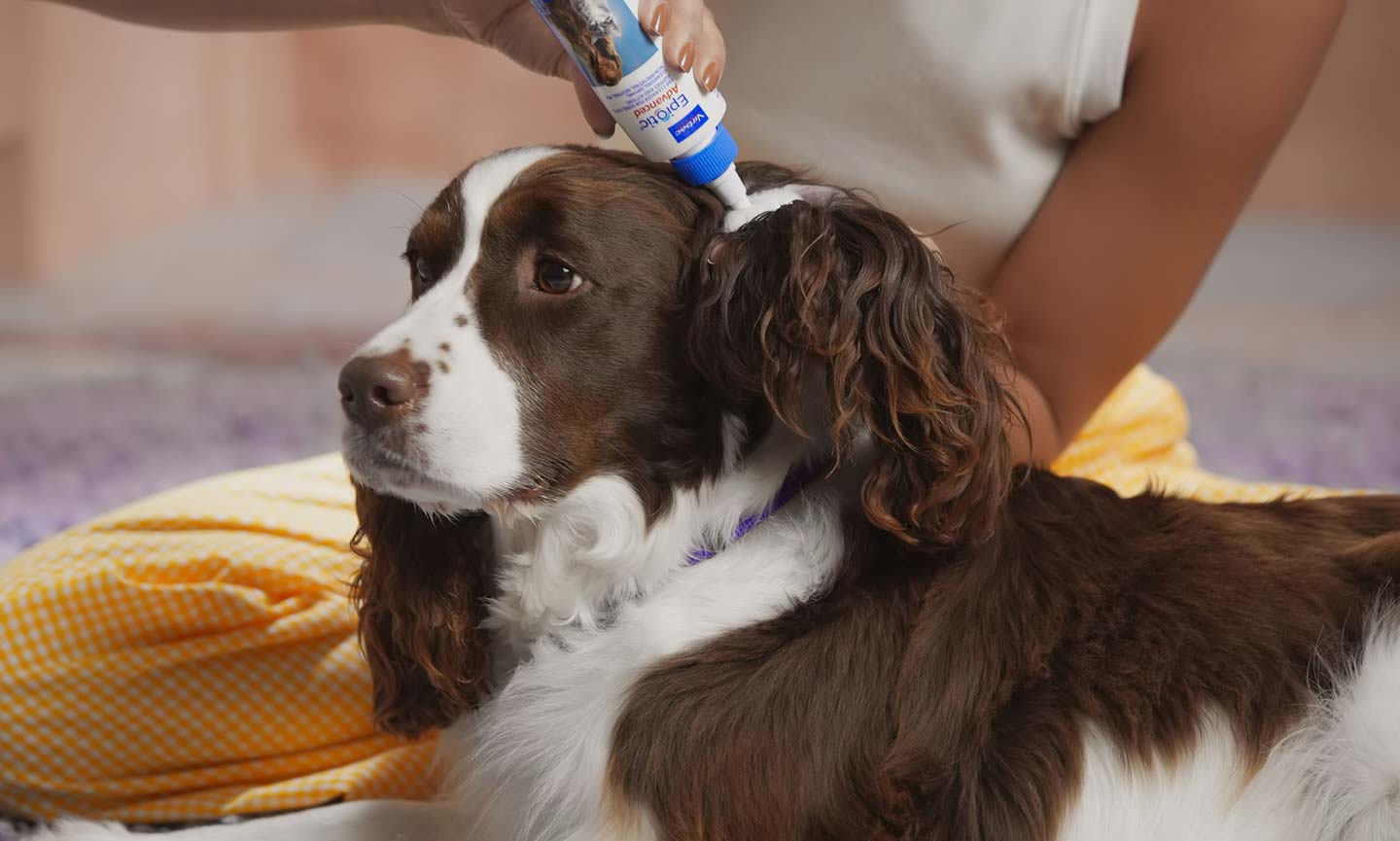
How to Clean Your Dog’s Ears Safely at Home
Keeping your dog’s ears clean is an essential part of their grooming and freeport-real-estate overall health routine. While it may seem like a small task, regular ear care can prevent infections, reduce buildup of wax and debris, and help identify underlying health issues early. Cleaning your dog’s ears at home is entirely possible with the right technique, proper tools, and a gentle, patient approach. Understanding your dog’s unique ear structure and knowing how to recognize when cleaning is needed are key to maintaining healthy ears and preventing unnecessary discomfort.
Table of Contents
Understanding Your Dog’s Ear Anatomy and Cleaning Needs
Dogs’ ears are more sensitive and complex than many people realize. Unlike human ears, a dog’s ear canal is L-shaped, which makes it easier for moisture, debris, and wax to become trapped. This creates an ideal environment for bacteria and yeast to thrive, especially in breeds with floppy ears, narrow canals, or those that spend a lot of time swimming. Breeds such as Cocker Spaniels, Basset Hounds, and Poodles are particularly prone to ear issues, but any dog can develop problems if their ears aren’t cared for regularly.
Before deciding whether your dog needs an ear cleaning, take a moment to inspect their ears. A healthy ear should be pink, odorless, and relatively free of wax. If the ear smells bad, looks red or inflamed, or if your dog is shaking their head or scratching excessively, it may be a sign of an infection or mite infestation. In such cases, it’s best to consult your veterinarian before attempting to clean the ears at home, as improper cleaning can worsen the condition or cause pain.
Gathering Supplies and Creating a Calm Environment
Cleaning your dog’s ears doesn’t require a long list of supplies, but it does require the right ones. Use a veterinarian-approved ear cleaning solution specifically formulated for dogs. Human products such as alcohol, hydrogen peroxide, or vinegar should be avoided, as they can irritate or damage the delicate tissue inside the ear. You’ll also need some soft cotton balls or gauze and a clean towel. Cotton swabs should not be used inside the ear canal, as they can push debris further in or injure the eardrum.
Choose a quiet, comfortable place where your dog feels relaxed and secure. This could be a bathroom, a grooming station, or a calm area of your home with minimal distractions. If your dog is nervous or unaccustomed to ear cleaning, it may help to have someone assist you in gently holding or comforting them during the process. Speak in a soothing tone, use slow movements, and reward your dog with treats or affection to create a positive association with the routine.
Step-by-Step Guide to Cleaning the Ears
Once your supplies are ready and your dog is calm, begin the cleaning process by gently lifting one ear and inspecting the canal. If there is visible dirt, wax, or a musty smell, proceed with caution. Start by applying the ear cleaning solution as directed by the label or your veterinarian. Typically, this involves gently squeezing the solution into the ear canal until it is partially filled. Be careful not to insert the bottle tip too deeply—just enough to deliver the liquid into the ear.
After applying the solution, gently massage the base of your dog’s ear in a circular motion for about 20 to 30 seconds. This helps loosen wax and debris, allowing the solution to break up buildup inside the canal. You may hear a squishing or gurgling sound, which is normal and indicates that the fluid is moving through the ear canal.
Once the massage is complete, allow your dog to shake their head. This action helps bring debris and excess solution to the outer part of the ear, where it can be safely wiped away. Use a clean cotton ball or piece of gauze to gently wipe out the ear flap and the visible part of the canal. Do not attempt to insert anything deep into the ear. If there is a large amount of debris that cannot be removed easily, or if your dog shows signs of pain, stop and consult your veterinarian.
Repeat the process on the other ear, using fresh supplies to avoid cross-contamination. If only one ear appears dirty or irritated, it may be best to clean just that ear and monitor the other for changes. Some dogs may only need occasional cleaning, while others, particularly those prone to infections or excessive wax, may benefit from more regular maintenance.
Post-Cleaning Care and Monitoring
After cleaning your dog’s ears, observe their behavior and ear condition over the next day or two. Mild redness or head shaking immediately after cleaning is normal and usually resolves quickly. If your dog continues to show signs of discomfort, such as persistent scratching, shaking, or tilting of the head, or if the ear becomes red, swollen, or begins to emit a strong odor, a veterinary visit is necessary. These could be signs of an infection or a reaction to the cleaning solution.
Establishing a routine ear check can help prevent problems before they start. Depending on your dog’s breed, lifestyle, and health history, you may need to clean their ears weekly, bi-weekly, or monthly. Dogs that swim frequently or have allergies may require more frequent care. Always check with your vet about the best cleaning schedule for your individual pet.
When Not to Clean at Home
It’s important to recognize situations when home cleaning is not advisable. If your dog is experiencing pain, swelling, bleeding, or discharge from the ears, attempting to clean them could cause further harm. Similarly, if your dog becomes highly stressed or aggressive during the process, forcing the procedure could create negative associations or lead to injury. In these cases, it’s better to seek professional assistance from a veterinarian or a certified groomer.
Some dogs may have chronic ear conditions that require medicated treatments, advanced diagnostics, or ongoing management. Attempting to treat these issues with over-the-counter cleaners or at-home remedies may do more harm than good. A veterinarian can determine whether there is an underlying issue such as ear mites, bacterial or yeast infections, polyps, or allergies contributing to the symptoms.
Conclusion
Cleaning your dog’s ears safely at home is a manageable and important part of pet care. When done correctly, it helps prevent infections, promotes comfort, and gives you the opportunity to spot potential problems early. With the right tools, a gentle approach, and a routine that suits your dog’s needs, you can make ear cleaning a stress-free experience for both of you. Above all, patience and consistency are key. Over time, your dog may even come to enjoy this bonding routine as part of their grooming care.