
How To Repair Hair Damage: Causes, Treatments, & Pro Tips
Damaged hair can feel like an uphill battle – dry ends, excessive breakage, dullness, and frizz are just a few of the telltale signs. Whether the damage stems from heat styling, chemical treatments, or environmental factors, the good news is that it’s not irreversible. With the right knowledge, targeted treatments, and healthy habits, you can nurse your hair back to health. Here’s a closer look at what causes hair damage, how to repair hair damage, and expert tips to prevent future breakage.
Table of Contents
Common Causes Of Hair Damage
Understanding what’s harming your hair is the first step to fixing it:
- Heat Styling: Frequent use of flat irons, curling wands, and blow dryers can weaken the hair cuticle and reduce moisture levels.
- Chemical Treatments: Colouring, bleaching, and perming break down the hair’s natural structure, making it more prone to split ends and breakage.
- Environmental Stressors: UV rays, humidity, wind, and pollution can gradually weaken and dehydrate the hair.
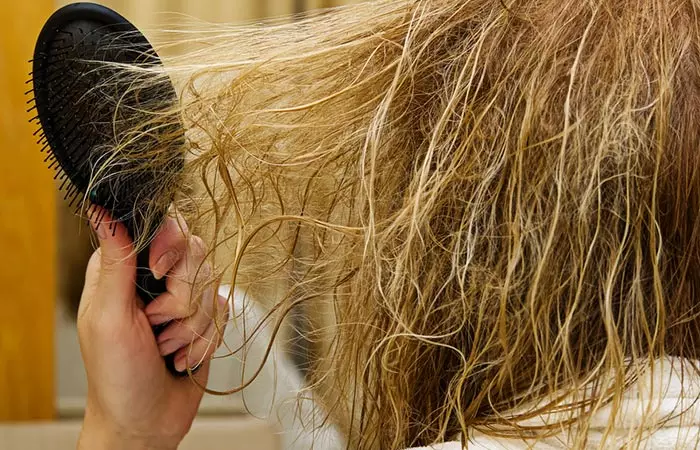
- Mechanical Damage: Aggressive brushing, tight hairstyles, or using the wrong tools can physically break the hair shaft.
- Hard Water & Build-Up: Mineral build-up from hard water can stiffen hair fibres and reduce their elasticity.
Effective Treatments To Repair Damaged Hair
Use A Repairing Shampoo & Conditioner
Choose a shampoo specifically formulated to repair hair damage. Look for shampoos for damaged hair with reparative ingredients like citric acid, amino acids, or keratin. The Kérastase Première range, for example, helps decalcify and repair the inner fibre of the hair, leaving it softer and more resilient.
Deep Conditioning & Hair Masks
Once or twice a week, treat your hair with a deep-conditioning mask. These are packed with high-concentration actives like hyaluronic acid or proteins that nourish, hydrate, and reinforce the hair fibre.
Leave-In Treatments & Serums
Lightweight serums or creams help seal the cuticle, reduce frizz, and protect hair from daily stress. Look for ingredients like glycerin for moisture retention and protective oils for shine and smoothness.
Trim Split Ends
While products can help manage the appearance of split ends, the only permanent solution is trimming them. Regular trims keep your hair looking healthy and prevent splits from travelling up the shaft.
Pro Tips To Prevent Future Damage
- Turn Down The Heat: Use hot tools on a lower setting and always apply a heat protectant spray.
- Air Dry When Possible: Give your hair a break from blow dryers. If you must use one, switch to a cool setting.
- Use A Silk Pillowcase: It reduces friction while you sleep, helping to prevent breakage and frizz.
- Avoid Over-Washing: Washing too frequently can strip your scalp and hair of its natural oils. Stick to two to three times a week if possible.
- Be Gentle: Use wide-tooth combs, detangle from the ends up, and avoid brushing wet hair aggressively.
Repairing damaged hair takes time, consistency, and the right products. By identifying the causes, switching to a damage-repair routine, and protecting your hair from further stress, you can revive your hair and restore its natural shine, strength, and softness. Healthy hair is possible with a little care and commitment.