
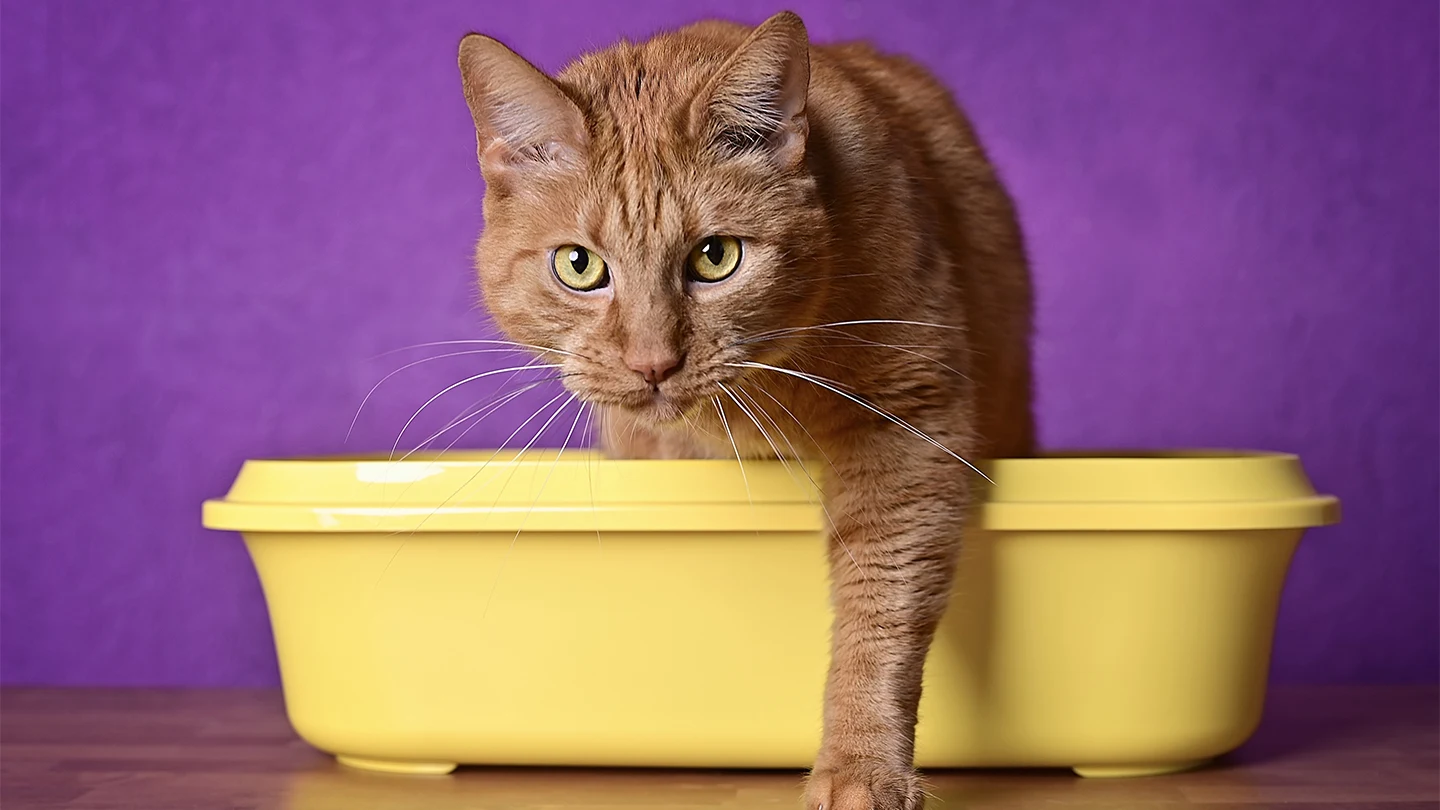
Introduction to Cat Litter
Cat litter is one of the most essential components of indoor cat care. While food and water are necessary for a cat’s physical survival, litter is crucial for their hygiene, comfort, and behavioral well-being. For cat owners, choosing the right cat litter is not just a http://natuurmuseum.org/ matter of convenience—it directly affects the cat’s willingness to use the litter box, as well as the overall cleanliness and odor control in the home. Since cats are fastidious creatures by nature, they often have strong preferences when it comes to litter texture, scent, and cleanliness. Understanding the different types of cat litter and how to maintain a clean litter box environment is key to ensuring a healthy and stress-free relationship between the cat and its living space.
Table of Contents
Types of Cat Litter
There is a wide variety of cat litter available on the market, each made from different materials and offering unique advantages. The most common type is clumping clay litter, typically made from bentonite clay. It forms solid clumps when it comes into contact with moisture, making it easy to scoop and maintain. This type is widely used because of its convenience and effective odor control. However, some cat owners prefer non-clumping clay litter, which absorbs moisture but does not form clumps. While this may require more frequent changes, it can be less dusty and may suit cats with respiratory sensitivities.
Alternatives to Clay-Based Litter
In recent years, alternative types of litter have gained popularity, particularly among environmentally conscious pet owners. These include plant-based options made from recycled paper, wood pellets, corn, wheat, or even coconut husk. These biodegradable litters are often flushable and compostable, offering a sustainable solution to traditional litter disposal. Some cats may take time to adjust to the different textures and smells of these litters, but they can be just as effective in terms of odor control and absorption. Silica gel crystal litter is another option that absorbs moisture and controls odor with minimal tracking and dust, though it may not be preferred by all cats due to its texture.
Factors to Consider When Choosing Litter
When selecting a cat litter, several factors must be taken into account, including the cat’s preferences, health needs, the owner’s cleaning routine, and environmental impact. Some cats have sensitivities to scented litters, which can cause them to avoid the litter box altogether. Unscented options are generally safer, especially for kittens or cats with allergies. Texture is also important—many cats prefer fine, sand-like litter that mimics natural outdoor surfaces. Dust levels should be considered as well, particularly for households with people or animals who suffer from asthma or allergies. A litter that produces excessive dust can irritate the respiratory tract and cause long-term issues.
Odor Control and Hygiene
Odor control is one of the primary concerns for cat owners. While some litters include added fragrances to mask smells, these are not always well-tolerated by cats. A better approach to odor management is frequent scooping and regular full changes of the litter. Clumping litters make it easier to remove soiled portions daily, which helps prevent the build-up of ammonia and bacteria. Some advanced litters are infused with activated charcoal or baking soda to help neutralize smells naturally without harsh chemicals. Regardless of the litter type, the key to odor control is cleanliness—no litter can completely mask odors if the box is not properly maintained.
Litter Box Placement and Maintenance
Even the best cat litter will fail to serve its purpose if the litter box itself is poorly placed or maintained. Cats prefer a quiet, private, and easily accessible location for their litter box. It should be placed away from their food and water bowls, as well as areas with heavy foot traffic or loud noises. Litter boxes should be scooped at least once a day, and the entire box should be emptied, cleaned, and refilled with fresh litter weekly or as needed. Using mild soap and warm water is sufficient for cleaning, as strong-smelling cleaners can deter cats from using the box.
Multiple Cats and Multiple Boxes
In homes with more than one cat, it is generally recommended to have one litter box per cat, plus one extra. This reduces territorial disputes and ensures that every cat has access to a clean place to eliminate. Some cats are particularly sensitive to sharing litter boxes and may develop undesirable behaviors such as urinating outside the box if they feel stressed or crowded. Providing multiple boxes in different locations also helps reduce accidents and gives cats the opportunity to choose a location they feel comfortable using.
Addressing Litter Box Avoidance
When a cat stops using the litter box, it is often a sign of an underlying problem. This could be medical, such as a urinary tract infection or digestive issue, or behavioral, such as stress, anxiety, or dissatisfaction with the litter or box setup. It is important not to punish the cat, but rather to investigate the cause with patience and care. Observing changes in behavior, consulting with a veterinarian, and trying different types of litter or box placements can help resolve the issue. Sometimes, switching to a softer, unscented, or low-dust litter can make all the difference in encouraging a cat to return to proper litter habits.
Conclusion
Cat litter may seem like a minor detail in pet care, but its impact on a cat’s health, comfort, and behavior is significant. From choosing the right material to maintaining a clean and inviting litter environment, every aspect of litter management contributes to the well-being of both the cat and the owner. As with all areas of pet care, observation and responsiveness to the individual cat’s preferences are crucial. A clean, well-placed litter box filled with suitable litter can prevent many behavioral issues and create a more harmonious living space. In the end, investing a little time and effort into choosing and maintaining cat litter is a small price to pay for a happy and healthy feline companion.