
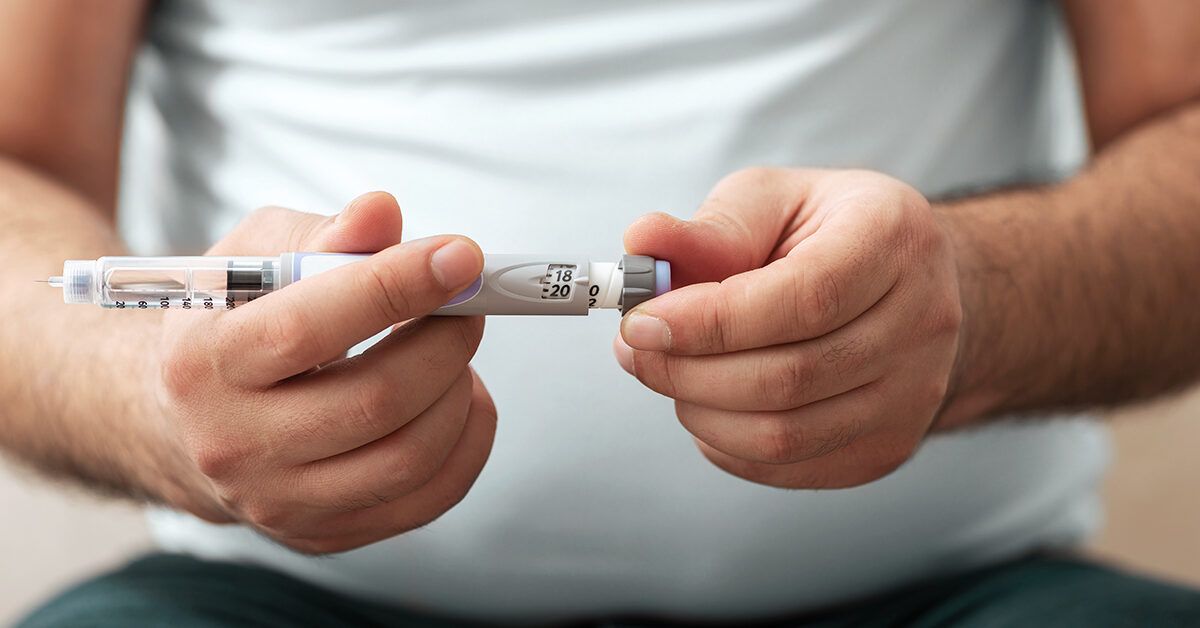
What to Know About GLP-1 Medications for Medical Weight Loss
Medical weight loss has evolved significantly over the past decade, with a growing focus on treatments that address the underlying biology of obesity rather than relying on willpower alone. One of the most impactful advances in this space is the use of GLP-1 medications, which are now widely prescribed as part of physician-supervised weight management programs.
Understanding how these medications work, who they are appropriate for, and what to expect from treatment can help patients make informed decisions about their weight loss care.
Table of Contents
What Are GLP-1 Medications?
GLP-1 medications are a class of prescription drugs that mimic glucagon-like peptide-1, a naturally occurring hormone involved in appetite regulation and blood sugar control. In the body, GLP-1 helps signal fullness, slows gastric emptying, and reduces hunger between meals.
Originally developed to treat type 2 diabetes, these medications were later found to produce consistent and clinically meaningful weight loss, leading to their expanded use in medical weight management.
How GLP-1 Medications Support Weight Loss
Unlike traditional diet-based approaches, GLP-1 medications work by targeting physiological pathways that influence eating behavior. Patients commonly experience:
- Reduced appetite and fewer food cravings
- Improved portion control without constant hunger
- Increased feelings of fullness after meals
- More stable blood sugar levels
Because these effects are hormonally driven, many patients find weight loss more sustainable compared to calorie restriction alone.
Who May Be a Candidate?
GLP-1 medications are typically prescribed for adults who meet specific medical criteria, such as:
- A body mass index (BMI) in the overweight or obese range
- Weight-related health conditions like insulin resistance, high blood pressure, or dyslipidemia
- A history of unsuccessful weight loss with lifestyle changes alone
A medical evaluation is essential before starting treatment. This includes reviewing medical history, current medications, and any contraindications.
The Importance of Medical Supervision
GLP-1 therapy should always be part of a medically supervised program. Dosage adjustments, side effect monitoring, and long-term planning are key components of safe and effective treatment.
Under physician guidance, such as Daydream MD, patients receive individualized care that may include nutrition counseling, metabolic monitoring, and ongoing support. This approach helps ensure that weight loss is both effective and aligned with overall health goals.
Potential Side Effects and Considerations
As with any prescription medication, GLP-1 drugs can cause side effects. The most common are gastrointestinal and may include nausea, bloating, or changes in bowel habits, particularly during dose escalation.
These effects are often temporary and can be minimized with gradual titration and clinical oversight. Patients should discuss risks, benefits, and expectations with their healthcare provider before starting therapy.
Long-Term Weight Management
GLP-1 medications are not a quick fix. They are best viewed as a long-term tool within a comprehensive medical weight loss strategy. Ongoing lifestyle habits, follow-up care, and realistic goal-setting will all still play a critical role in maintaining results.
Final Thoughts
GLP-1 medications represent a major shift in how medical professionals approach weight loss, offering a science-backed option for patients who struggle with traditional methods. When used appropriately and under medical supervision, they can be a powerful component of a comprehensive weight management plan.
If you’re considering medical weight loss, a consultation with a qualified healthcare provider is the first step toward determining whether GLP-1 therapy is right for you.